Category: Languages
-

Inclusive assessment for the English language classroom
elsa o’Brien López Assessment can be a barrier or a tool to bring learning forward. The right kind of assessment will come with feedback, opportunities for improvement and will adapt to out students’ needs. When learning a language students have to develop a communicative competence so practice is essential. Unlike other subjects where a…
-

Learning languages can benefit neurodivergent learners
Elsa O’Brien López Both languages are active in the brain of the bilingual speaker and this strengthens inhibitory control amongst other executive functions. What is neurodivergence? Neurodivergence- also referred to as neurodiversity at times- is an umbrella term that encompasses all specific learning differences such as Autism, dyslexia and ADHD, among others. Neurodiversity Week is…
-

World English or a world of Englishes? A case against ‘native-speakersim’
More and more linguists are stepping away from the distinction of native vs nativised speakers of English. Many practitioners have stated the advantages of non-native teachers as they are, among other things, more sensitive to the existence of English as an International Language. English is an official language in 68 countries. However, very few countries…
-

How to help develop your baby’s language through storytelling
Storytime is a great time to help develop a baby or toddler’s language. Through language we can help a child to enrich their vocabulary, organise and strengthen their memory, understand abstract concepts, and allow them to express what they feel and want in an efficient way. Apart from choosing the right moment to read, the…
-

Tips to learn pronunciation like a baby
Elsa O’Brien López Intonation is a very important tool to convey meaning in the English language. For several reasons, this area receives little attention in the ESL classrooms. Some researchers argue it cannot be learned in a structured setting at all. Looking at how babies learn pronunciation naturally can help adult learners. Since they are…
-

Can our language and culture shape the way we see the world?
elsa o’brien lópez Languages give us categories to define an otherwise messy world, says linguistics professor Panos Athanasopulos. As these categories change depending on the language we speak we can say that language shapes the way we see the world. This can largely explain why things are done culture in a certain way in different…
-

Do men and women speak differently?
elsa o’brien lópez Although differences in the language areas of boys and girls have been observed in babies, some differences in the way men and women do seem to be attributable to differences in their upbringing as part of different subcultures embedded in one same big culture. Fortunately, using a gender neutral language has become…
-

Making ‘mistakes’ is normal
elsa o’brien lópez A new learner might also feel that they are quickly improving at the beginning only to realise a while later that they still have a lot to learn. This is a common phenomenon that happens because the more we learn the more aware we become of rules and patterns that we need…
-

Raising a bilingual child: pros and cons
elsa o’brien lópez Some parents fear that teaching their children several languages from an early age may result in a delay in the age of speaking. Research shows that being spoken and listened to will play a greater role in a child’s language development than whether they are being spoken to in one or multiple…
-
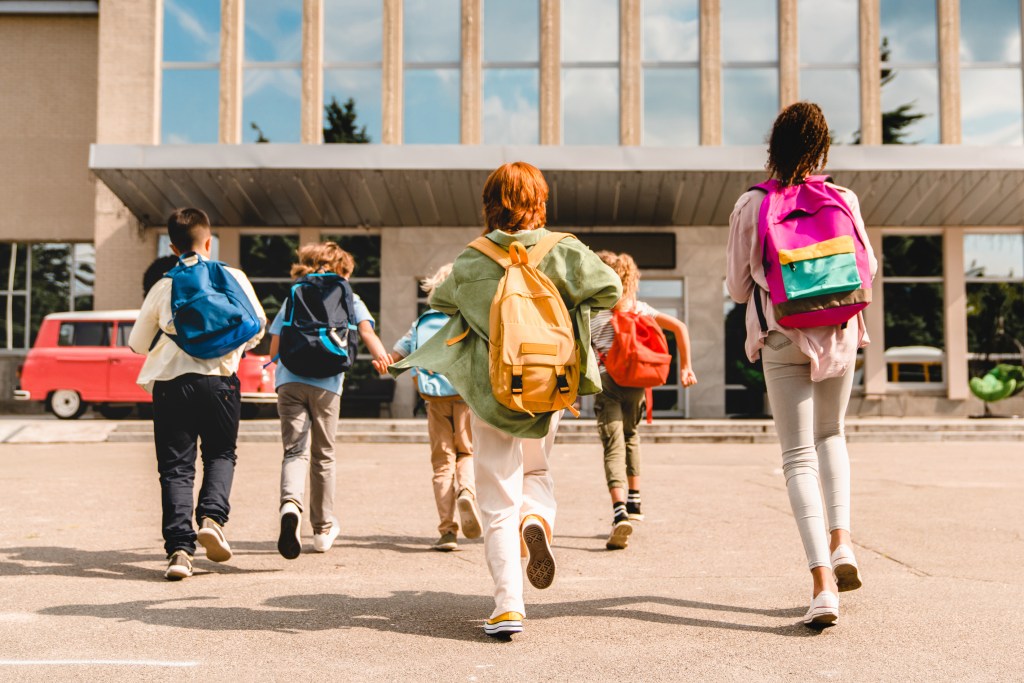
Special educational needs and second language acquisition
elsa o’brien lópez In most cases, there is no reason why a child with special educational needs or disability cannot learn a second language. As long as this process takes place in the most natural way possible, resembling how a first language is learned. When talking about special educational needs and disability, each case is…
-

The benefits of bilingualism
elsa o’brien lópez Despite the value attributed to learning certain languages, the cognitive benefits of bilingualism tend to be overlooked. This can lead to parents’ choosing a monolingual education for their children when a bilingual option is also available and to the loss of a family’s heritage language. The benefits of bilingualism have probably never…
-

Does your language define who you are?
elsa o’brien lópez The language we speak carries a history as well as many traditions with it. Our language shapes the way we see the world. This is why, meeting someone who has two mother tongues can be quite disconcerting. Which of them defines the way they see the world? Can this person suffer from…
-

Learning a second language: the sooner the better?
elsa o’brien lópez When children are asked to learn a language in a very structured way from a very early age they’ll be asked to use skills they don’t possess yet and won’t be developing till later on in life. For some time now, this has been a question asked and answered by many parents,…
 Speaker's Digest